
About starlumki
Who we are, how our crews work on a live show, and the principles behind every production we take on.
A live production crew based in Durham since 2012
starlumki began in 2012 with a simple idea: live television works better when the people in the gallery know each other and the equipment. We are based in Durham and work with broadcasters, event organisers and production companies. Over fourteen years the work has widened but the approach has not.
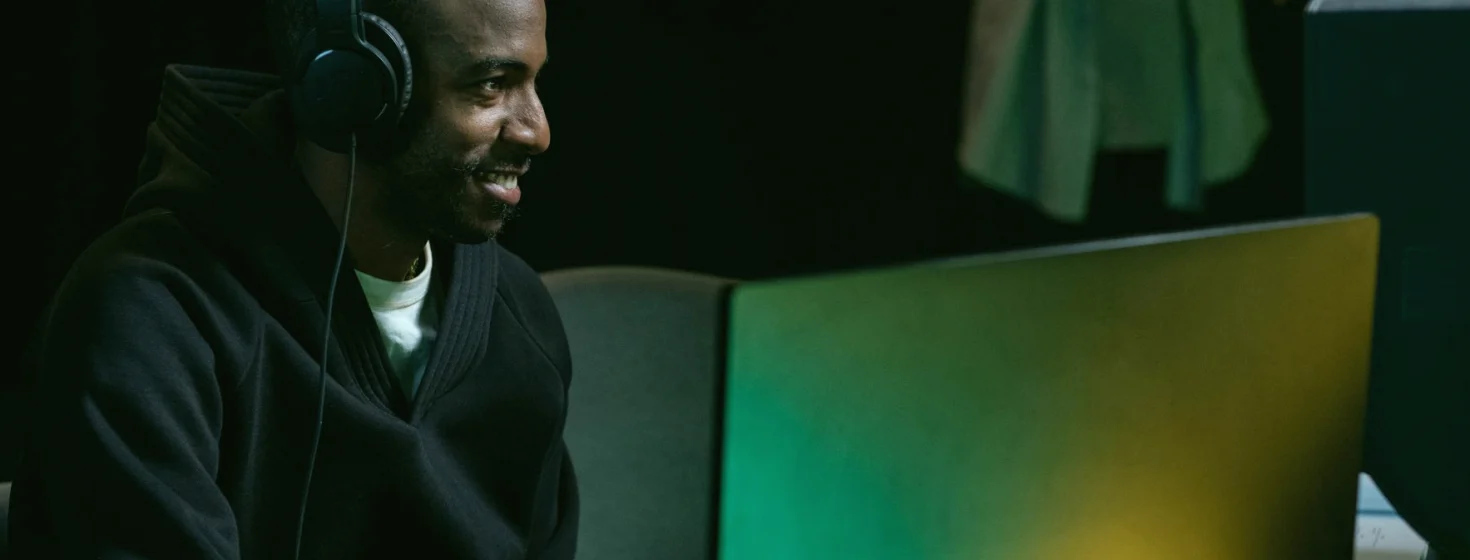
We started as a small group of operators and engineers who were tired of seeing shows suffer from patched-together crews. Putting vision mixing, technical design and production under one roof meant fewer handovers and clearer responsibility. If something goes wrong on air, there is one team to talk to.
Today we design, staff and run live production decks and control rooms for television and streaming. The work ranges from studio broadcasts to concerts and festivals, and from a single operator to a full mobile gallery. Each job is planned around what the production needs rather than a fixed package.
Callum Hartley leads our live production and oversees every show on the day. Priya Nair handles fast multi-camera switching and trains newer operators, while Daniel Foster designs signal paths and keeps our equipment steady. Hannah Whitlock plans streaming workflows and graphics for online events.
We think of a good broadcast as one where the audience never notices the effort behind it. That means rehearsing cues, checking every feed and agreeing who decides what before the show starts. It also means being honest with clients about what is realistic for their venue and budget.
We stay involved after the show ends. A short review with the client covers what worked, what to change and what to prepare next time. Those notes shape how we plan the next production, which is how our methods have improved year after year.
The practical choices behind every production we run
Good live production is mostly preparation and clear roles. These are the habits our crews bring to each job, whether it is a studio programme, a stream or a festival stage. They explain why shows tend to run quietly on our watch.
Crews that know each other
Equipment we maintain ourselves
Schedules built around the show
Checks before going live
Sensible backup planning
Honest advice to clients
What guides the work when the show is live
Live production leaves no time for second takes, so habits matter more than slogans. The principles below came from years of running galleries and have shaped how we hire, plan and brief crews. They are the reason clients ask us back for the next show.
Calm under pressure
On air, things go wrong in small ways, and the crew's mood decides whether they stay small. Our operators are trained to keep voices level, work through problems one at a time and avoid panic on talkback. Rehearsals include deliberate faults, so the first time anyone meets a problem is not during a broadcast.
Clear communication
Everyone in the gallery should know who calls the cues, who owns each feed and what happens next. We agree roles in the briefing and keep comms short and plain. Clients get the same openness, with schedules, plans and any concerns shared early so decisions are never made on guesswork.
Technical care
Technical care means labelling cables, documenting signal paths and checking equipment before every job, not just when something seems wrong. Our engineer keeps control room kit in good order and watches systems through long broadcast days. Small, steady attention to detail is what keeps a long show running cleanly.