
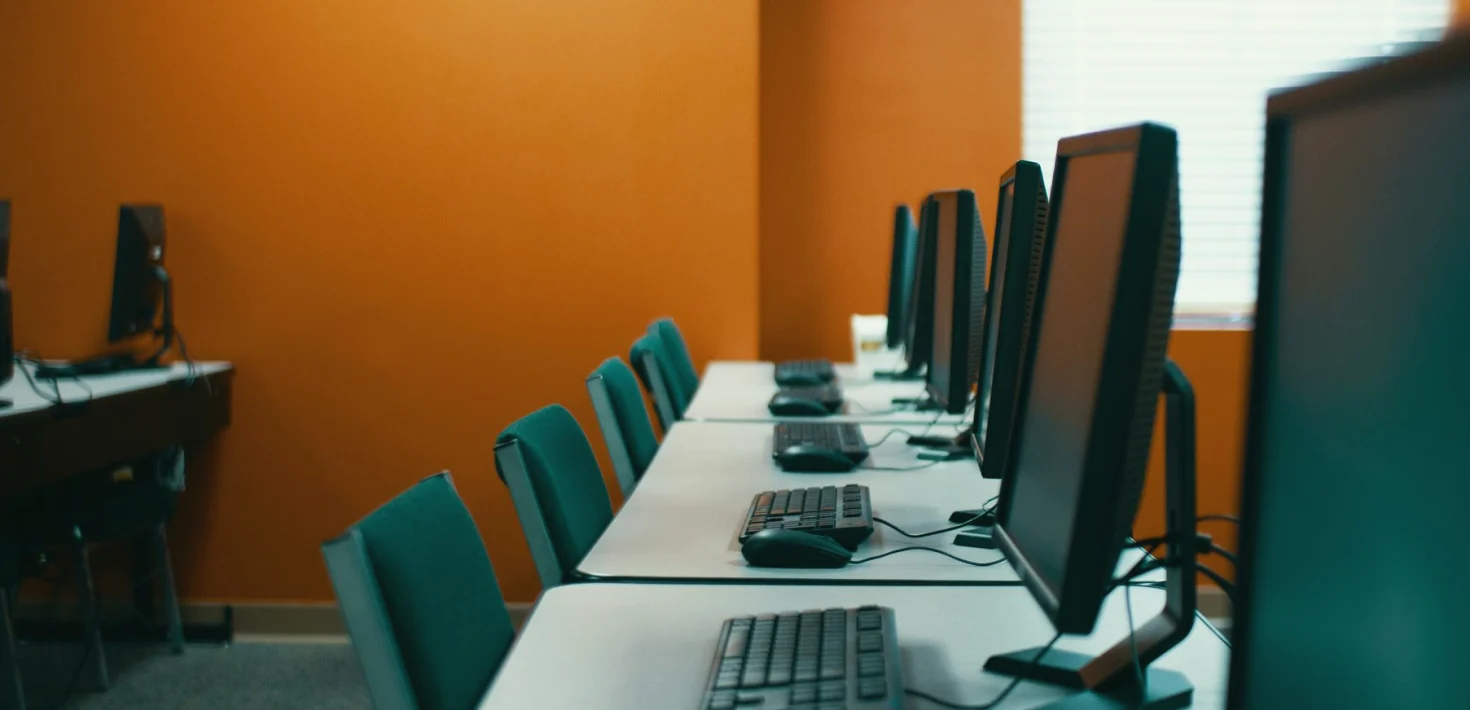
What a Control Room Fit-Out Costs and What Moves the Price
A plain look at what shapes the price of a production gallery build, from room size and signal routing to furniture, cabling and the time needed to commission it.
Why one number never fits every gallery
People often ask me for a single figure for a control room, and I understand why. A budget has to start somewhere. The honest answer is that two galleries that look similar on a photograph can differ a great deal in cost, because most of the spend sits behind the desks, in cabling, routing and the careful work of making everything behave together.
I work in these rooms as a vision mixer, so I see the results of design decisions every show. A gallery planned around the people who sit in it costs money in the planning stage and saves it in every broadcast afterwards. Our engineers and producers cost each job from a short brief, not from a price list.
What follows is the order in which cost usually builds up, so you can see where your own project is likely to sit and which choices are really yours to make.
Room size, shape and the number of operators
The first driver is the room itself. A compact gallery for a two or three person crew needs far less desking, fewer monitor positions and a shorter cable run than a space that seats a director, vision mixer, replay operator, graphics operator and producer side by side. Every extra seat brings its own power, monitoring and intercom.
Shape matters as much as size. A long narrow room forces awkward sight lines to the monitor wall, and fixing that later by moving furniture is expensive. We would rather walk the space with you and draw the layout first, so the seating plan fits the room instead of fighting it.
Ceiling height, access for equipment and whether the room already has usable power and ventilation all feed into the estimate. Heat from racks is easy to underestimate, and cooling a small room properly is a real line in the budget.
- Number of operator positions
- Room dimensions and sight lines
- Power, cooling and access for equipment
Signal routing is where the hidden cost lives
Daniel, our technical engineer, will tell you that routing decides how a gallery feels to use. Every camera, playback source, graphics feed and return signal needs a path in and a path out, and the more flexible you want that to be, the more the routing costs. A fixed, simple arrangement is cheaper to build and easier to learn.
Flexibility is worth paying for only when you will use it. A gallery that serves one weekly studio show rarely needs the same routing as one that switches between concert and streaming work. We ask how the room will really be used across a year before suggesting anything.
Labelling, patching and documentation sound dull, yet they are what lets a new operator sit down and work without guessing. Doing this properly takes engineer time, and it is time well spent.
Equipment choices and what you already own
Equipment is the line most people expect to dominate the budget, and sometimes it does. The switcher, monitors, intercom and playout hardware each come in a wide range of capability. Spending at the top of that range is rarely necessary for a first gallery, and it is often better to leave room to grow.
Reusing what you already have can bring the figure down noticeably, provided it is in sound condition and fits the new design. We will say plainly if an older piece of kit will cause trouble rather than save money, because a bargain that fails during a live show costs far more than it saved.
We build around your needs, so the brief matters more than any brand. A clear list of the shows you intend to run tells us what the room must do and what it can skip.
- Switcher and monitoring requirements
- Intercom and return feeds
- Kit you already own that can be reused
Operator comfort is not a luxury item
It is tempting to treat desks and chairs as the place to trim. I would push back on that. A vision mixer who is cramped, squinting at a badly placed monitor, or sitting at the wrong height will tire during a long broadcast day, and tired people make mistakes at the worst moments.
Good desk depth, sensible reach to the controls, proper lighting that does not wash out the screens and enough legroom are modest costs set against the whole project. They also affect how long people can work well in the room.
I have trained newer operators in galleries of every standard. The ones planned around the crew are simply easier to learn in and calmer to work in, which is what we are paid to deliver.
Time, commissioning and what to prepare
Labour and time are the last big driver. Installation, testing and commissioning take longer than most clients expect, and rushing the testing phase is the most common way a gallery ends up with faults that appear on air. We build in time to run the room through realistic show conditions before handing it over.
A fixed deadline, such as a launch date or a first event, narrows our options and can raise the cost. Starting the conversation early gives us room to schedule work sensibly and avoid out of hours effort.
Before you ask for a quote, it helps to know the room, the number of people it must seat, the types of show you expect and any equipment you want to keep. With those four things we can give a grounded estimate rather than a guess.
- The room and its dimensions
- Crew size and the shows you will run
- Existing equipment and your target date
The price of a control room comes down to a handful of honest questions: how big is the space, how many people work in it, how flexible must the routing be, what can you reuse, and how much time is there to test it. Answer those and the figure stops being a mystery. If you are weighing a project, tell us about the room and we will talk it through in plain terms.
Priya Nair
Lead Vision MixerPriya specialises in fast multi-camera switching for music and festival productions. She trains our newer operators.
Tell us about the room you have in mind
Get in touch and we will ask about the space, the crew and the shows. You will get a clear, itemised estimate and an honest view on where costs can sensibly be kept down.
Contact- Describe your room and intended crew size
- List equipment you already own and want to keep
- Share your target date and the shows you will run